


Endoscopic Treatment for Craniosynostosis

Better outcomes are typically achieved with earlier surgery; however, our team has demonstrated that excellent results are still possible even when endoscopic surgery is performed later than traditionally considered idea.

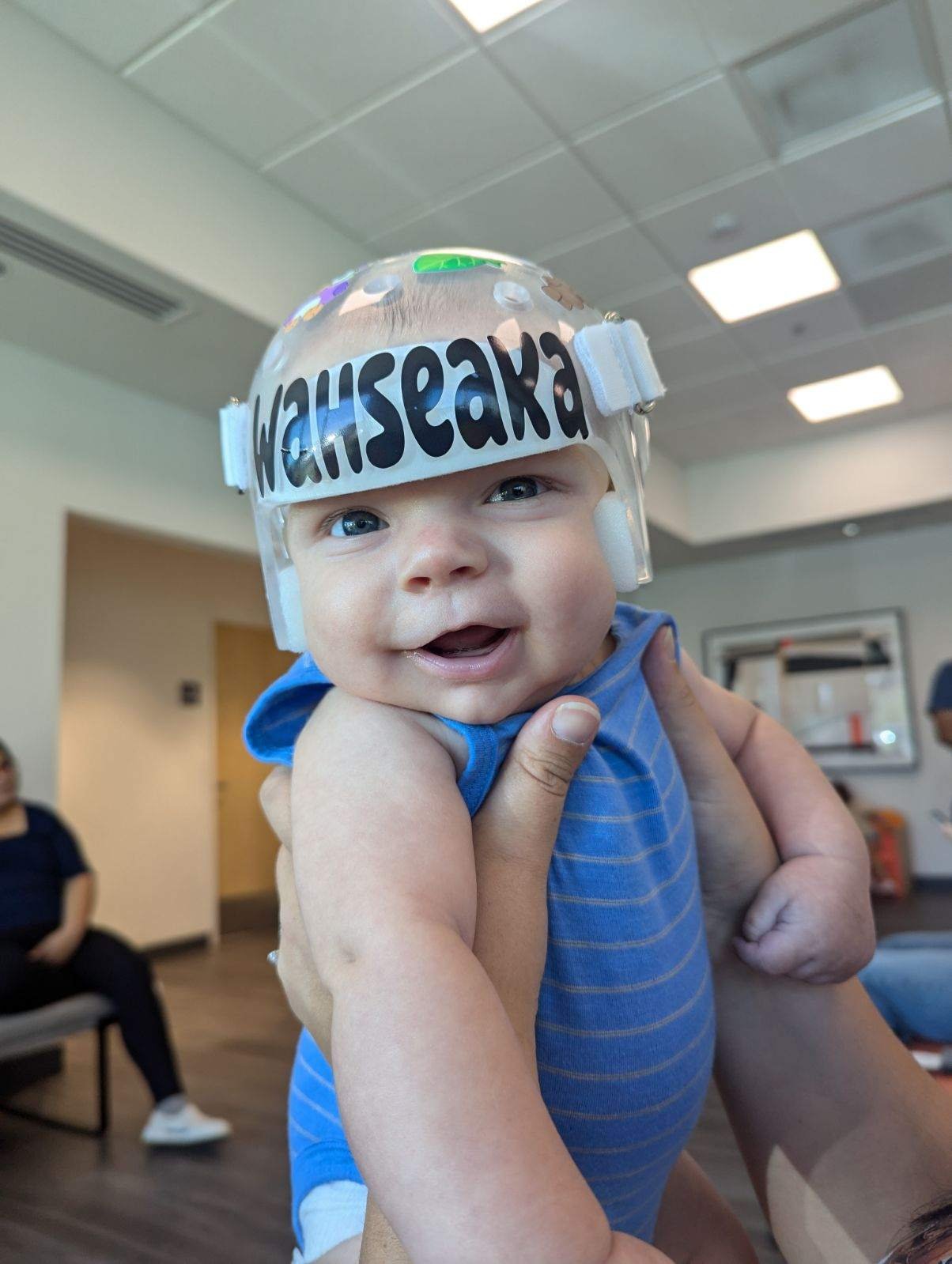
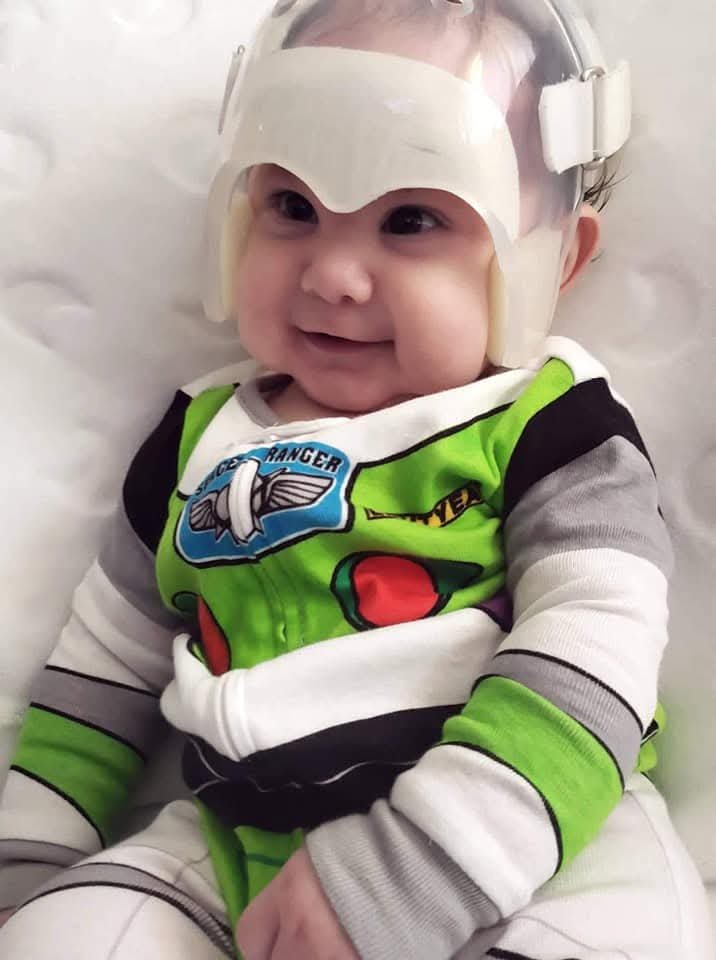
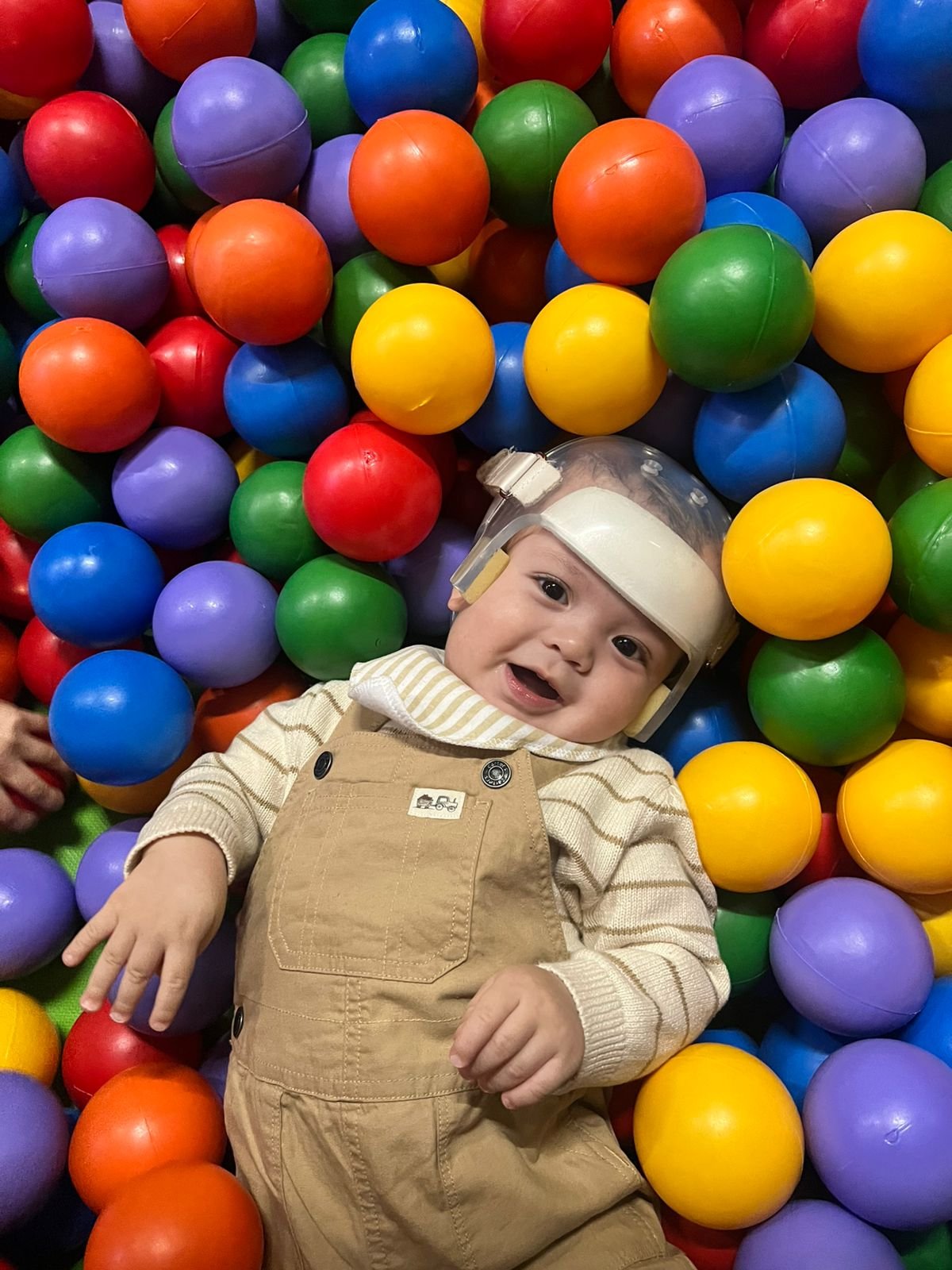
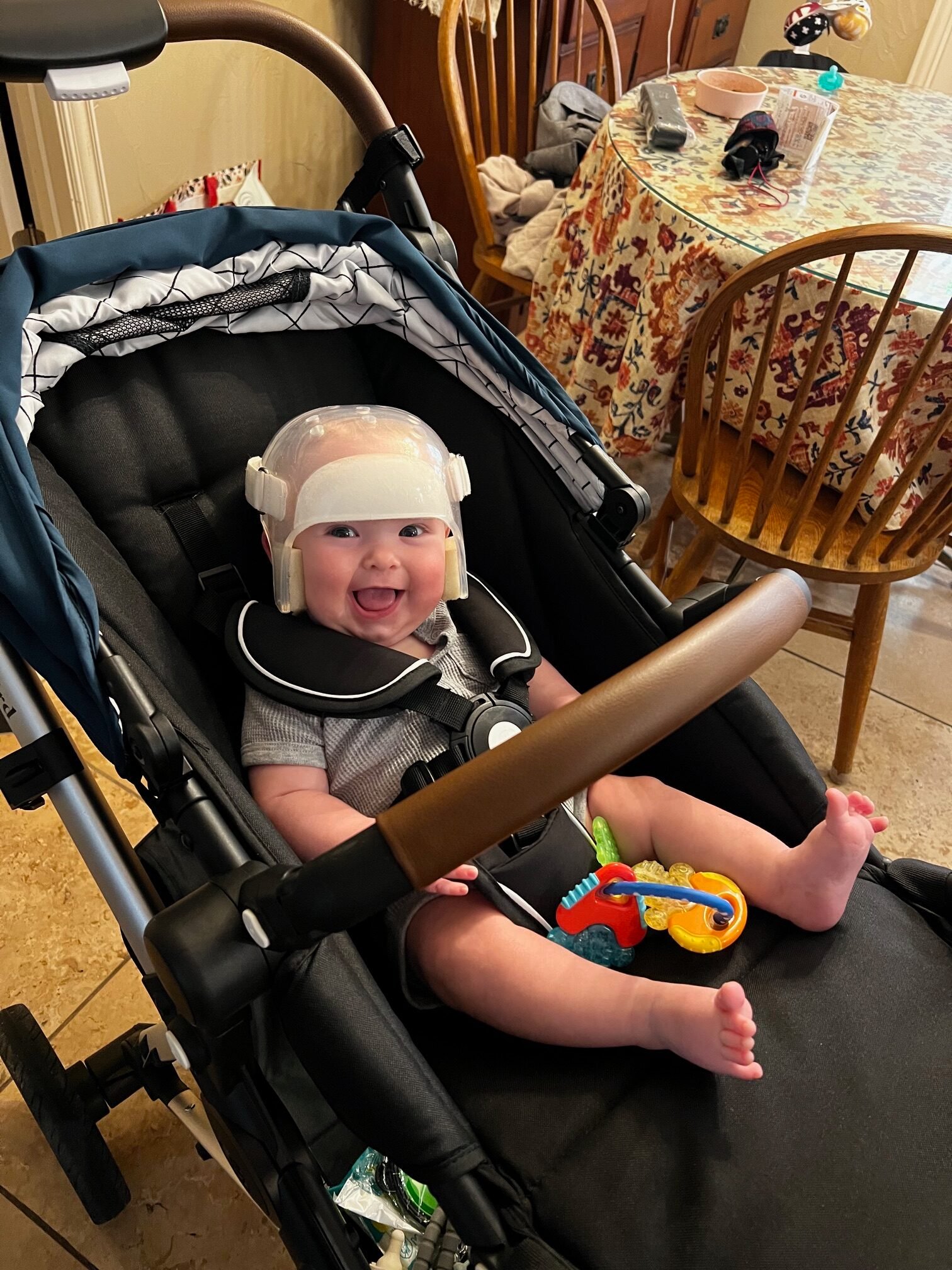
Successful reshaping is still possible for older infants with proper helmet therapy

Each procedure is designed to optimize results depending on which suture is affected

A Less Invasive Approach for Babies with Craniosynostosis

At El Paso Craniofacial Team, we specialize in endoscopic treatment for craniosynostosis—a minimally invasive technique that gives infants the best chance at healthy skull development and natural head shape.

The fundamental principle of our approach is early intervention. During the first months of life, the brain grows rapidly. If one or more sutures close too early, it can restrict skull growth and cause abnormal head shapes. By releasing the closed suture early, we allow the brain to reshape the skull naturally with the assistance of a custom cranial helmet.

What to Expect During Treatment

When your child comes to El Paso Craniofacial Team, you can expect compassionate, family-centered care every step of the way.

Comprehensive Evaluation

A detailed physical exam and imaging (when necessary) to confirm diagnosis.

Personalized Treatment Plan

Tailored surgical planning based on the affected suture(s).

Minimally Invasive Surgery

Endoscopic release of the fused suture

Helmet Therapy

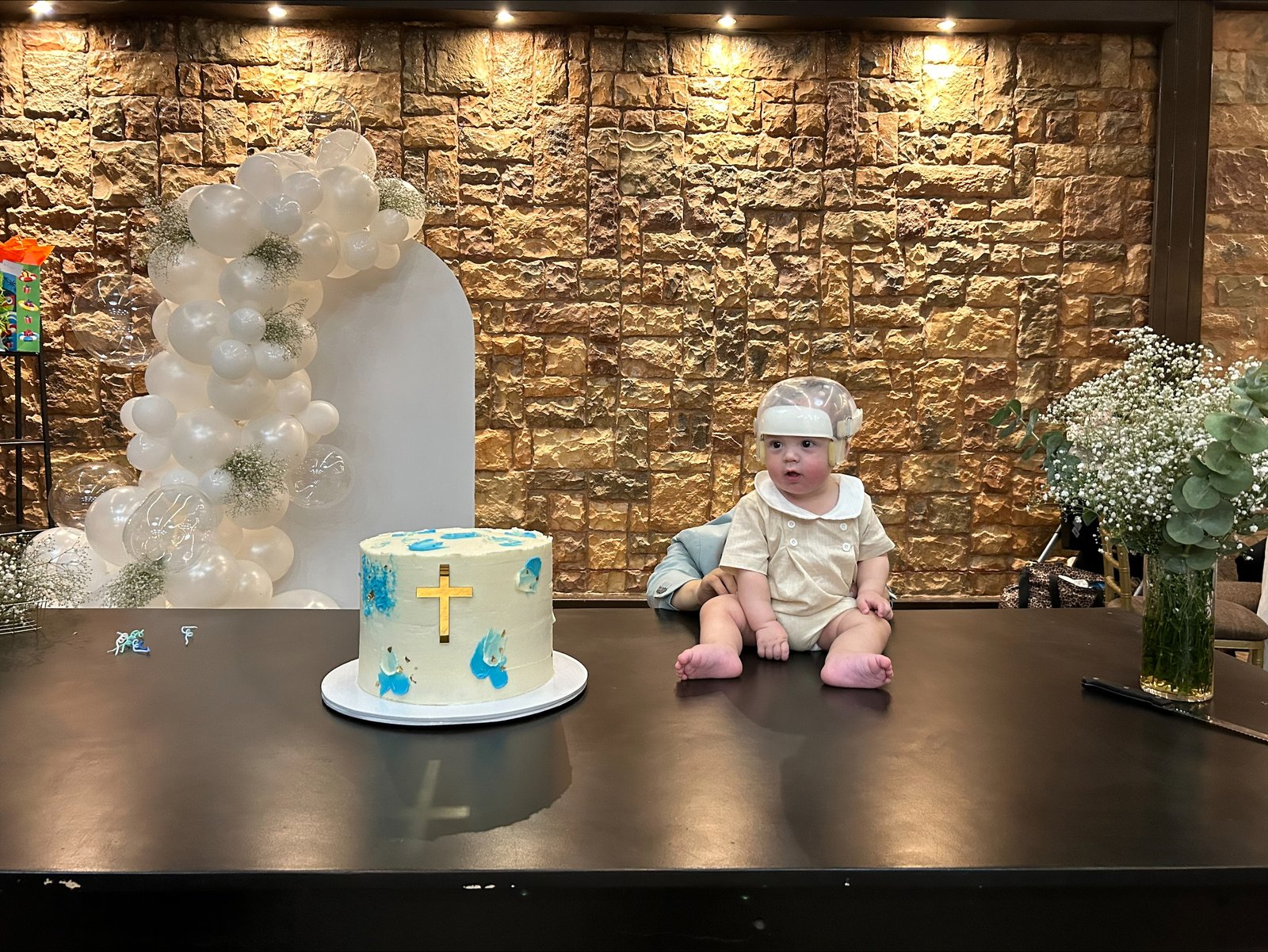
Postoperative custom helmeting to gently guide the skull into a normal shape.

Ongoing Support

 Regular follow-up visits with our team to monitor growth, healing, and progress.

Patient Testimonial

Families from across the region and around the world have trusted our team at El Paso Craniofacial Team. Here’s what parents are saying:

“We received so much love throughout this journey that I never felt alone during the process.”

Amelia’s mom

“We truly, truly thank them for everything they did for our daughter.”

Amelia’s dad

“Scarlett underwent her endoscopic craniosynostosis surgery, and the change was incredible—it transformed her life.”

Scarlett’s family

A letter written to Dr. Yates from one of the first patientes to ever have endoscopic craniosynostosis surgery by Dr. Jimenez

Hi Dr. Yates,

What an amazing journey Jack’s life has been. He was diagnosed on Nov 1, 1996 by his pediatrician, Dr. Regina Selva, in Columbia, Missouri. Our insurance wanted us to go to St. Louis for surgery, but Dr. Selva knew Dr. Jimenez and sent us to see him. My husband was a grad student and I was a stay-at-home mom with a 2-year-old and a 2.5-month-old. In the week between the diagnosis and consultation, we learned as much as we could about the surgery to correct Jack’s skull, and we were so happy to meet Dr. Jimenez.

Types of Craniosynostosis We Treat

Sagittal Synostosis

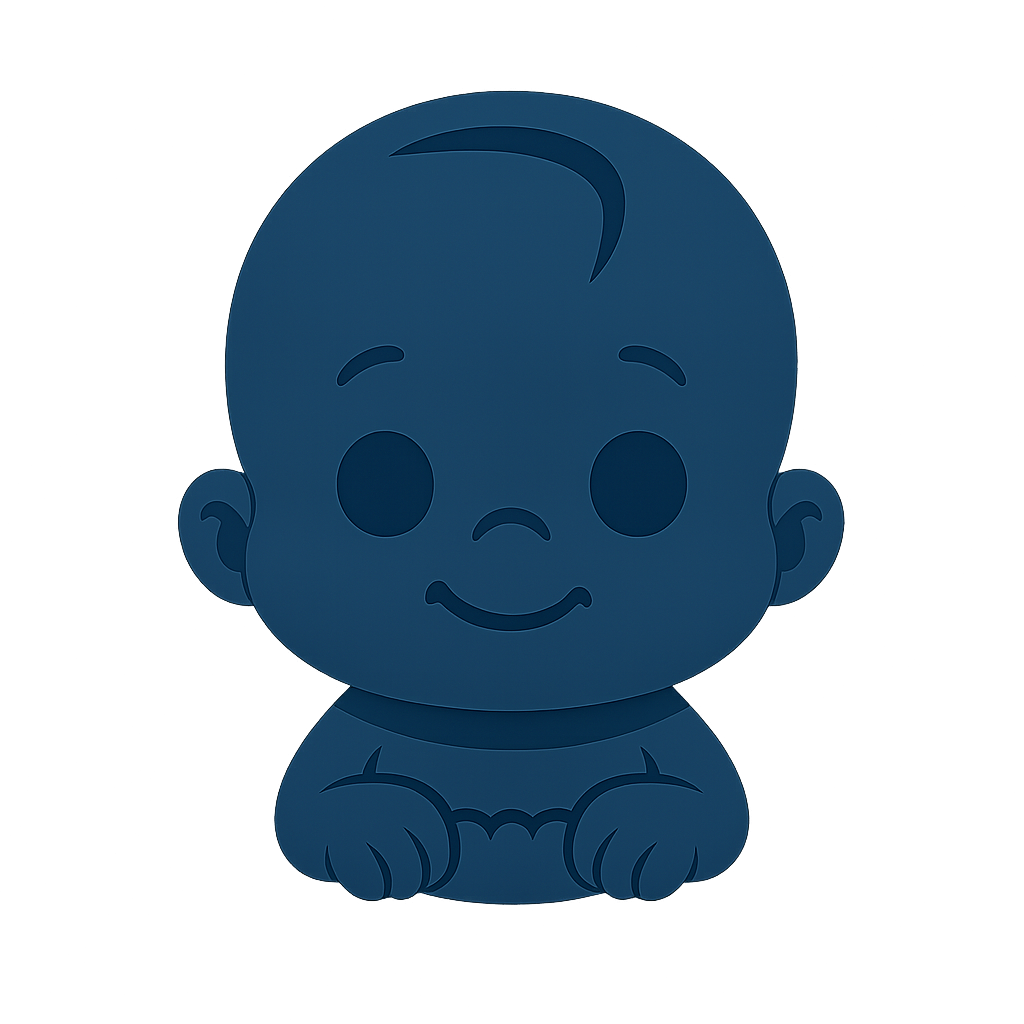
Sagittal synostosis is the most common form, where the suture along the top of the skull fuses too early. This often results in a long, narrow head shape (scaphocephaly). Our endoscopic release provides excellent reshaping results, allowing the head to grow normally in width.

Metopic Synostosis

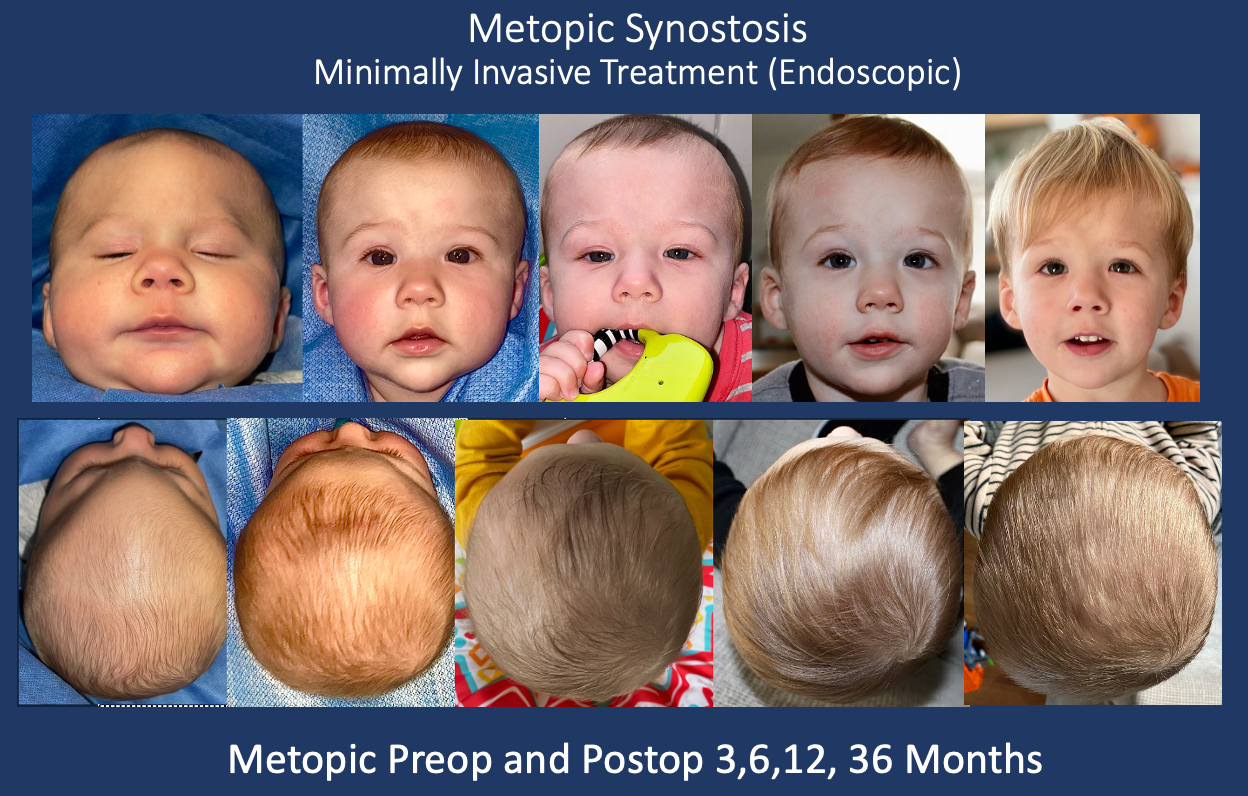
When the metopic suture (down the middle of the forehead) closes too soon, it can cause a triangular head shape (trigonocephaly). Early treatment helps correct forehead narrowing and improves both cosmetic and functional outcomes.


Coronal Synostosis

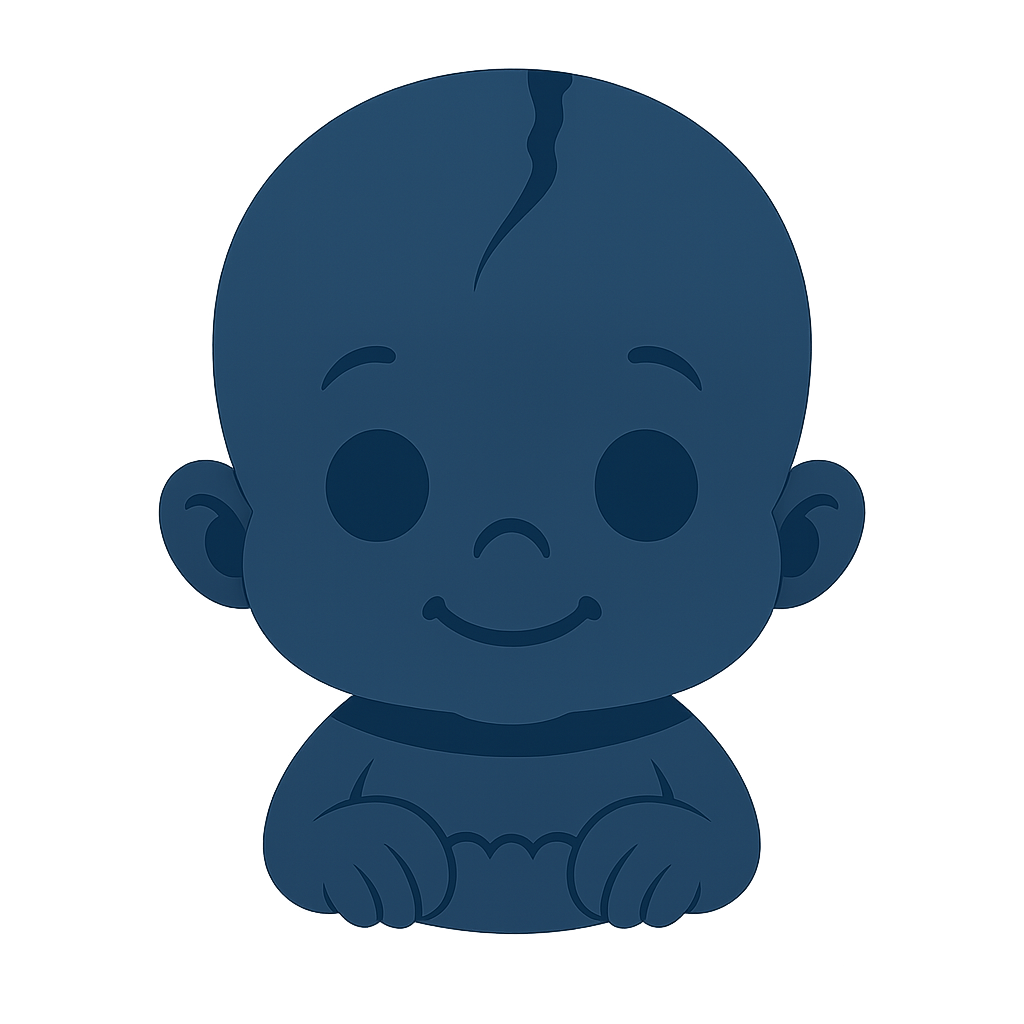
Coronal synostosis affects one or both sutures that run from the ears to the top of the skull, often causing flattening of the forehead and orbital asymmetry. Endoscopic release allows for significant improvement in facial balance and skull symmetry.

Multi-suture Craniosynostosis

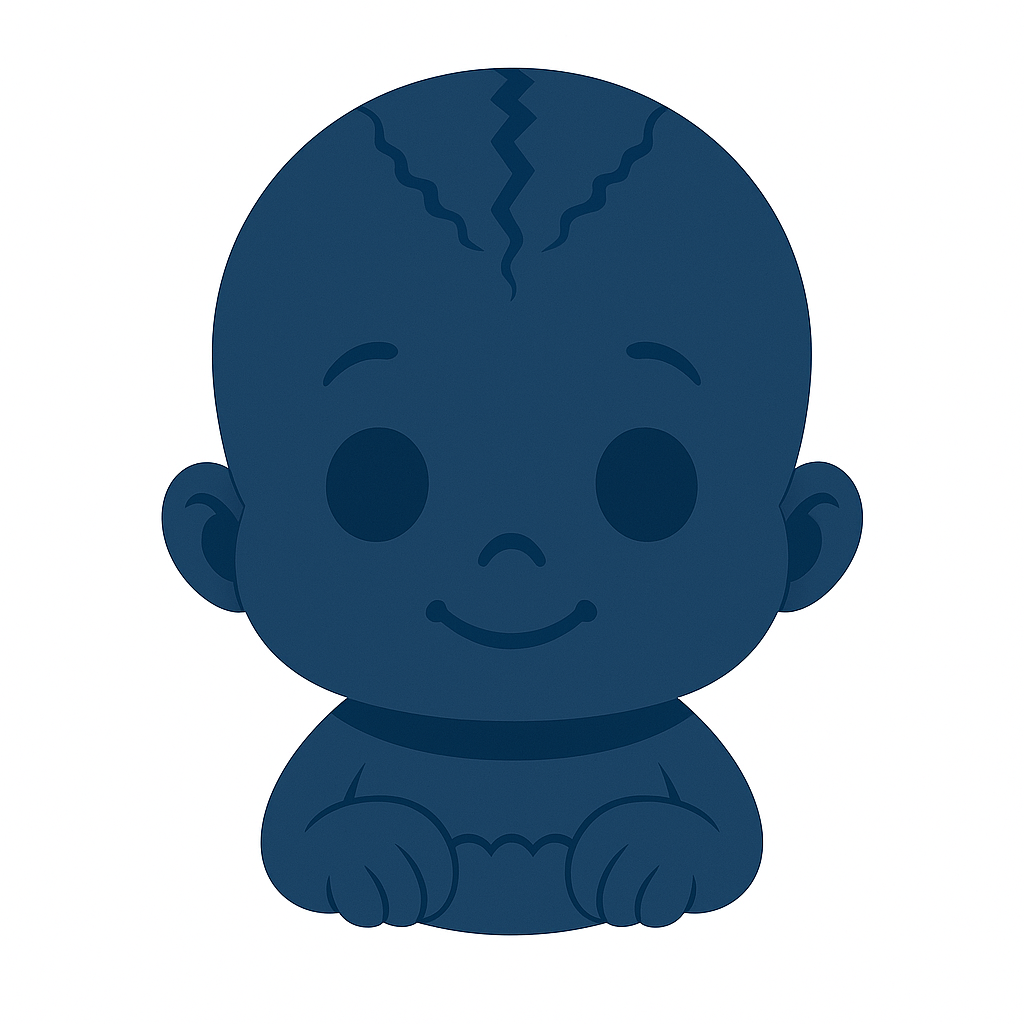
Some infants may have more than one fused suture, leading to more complex head shapes. With careful surgical planning and helmet therapy, our team helps guide healthy skull remodeling and reduce the risks of increased intracranial pressure.

Bicoronal Non-Syndromic Craniosynostosis

When both coronal sutures close early, it can shorten the skull front-to-back and raise the eye sockets. Early intervention with the endoscopic method helps restore balance and prevent more invasive procedures later.

Lambdoid Synostosis

The rarest form, lambdoid synostosis affects the suture at the back of the head, causing flattening and asymmetry. Our team is experienced in distinguishing true lambdoid synostosis from positional plagiocephaly and providing effective treatment.

Why Choose El Paso Craniofacial Team?

  • One of the largest global experiences in endoscopic craniosynostosis surgery
  • A multidisciplinary, nationally recognized team
  • Family-centered personalized approach, guiding parents every step of the way
  • Proven results that change not just head shapes—but lives
  • Direct access to your child surgeons

A Brighter Future Starts Here

Every child deserves the opportunity to grow and thrive with confidence. At El Paso Craniofacial Team, we’re here to provide families with expert answers, advanced treatment, and the compassionate support they need.